
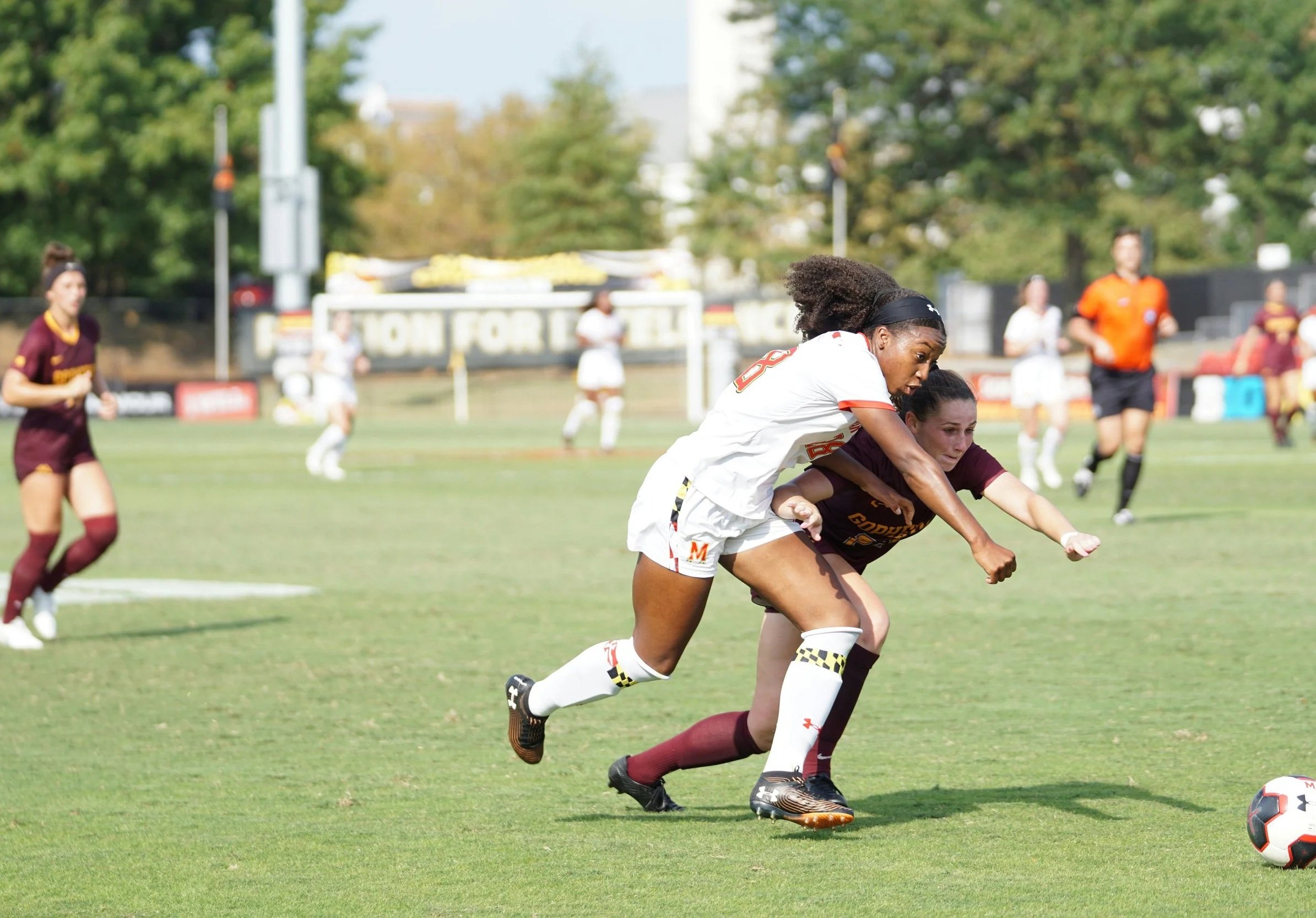
ATHLETES
A Strong Mind Strong Performance athlete is any student (age 13–18) who works toward goals and challenges themselves—whether in sports, school, the arts, leadership, or other activities that require focus and effort. Being an athlete isn’t about being the best; it’s about showing up, practicing, and growing over time.
FREQUENTLY ASKED QUESTIONS
-
SMSP is a platform that helps you build confidence, focus, and communication skills. It’s a place to reflect, learn, and grow—not to be judged or graded.
-
SMSP helps you better understand your strengths and challenges so you can perform, learn, and communicate more effectively. The skills you practice here can support school, sports, and everyday life.
-
No. There are no grades or right or wrong answers. Your responses are about understanding yourself, not measuring you against others.
-
Only approved adults and coaches involved in your support can see selected feedback. SMSP is designed to respect your privacy while helping the right people support you.
-
Some activities give you the option to record so you can hear your growth over time. Recording is meant to help you reflect, not to put you on the spot.
-
Most activities take about 10–15 minutes per week. SMSP is designed to fit into your routine without adding stress.
-
That’s okay. Prompts and guiding questions are there to help you think and respond in your own way.
-
Yes—and that’s expected. SMSP is about growth, and changing answers often means you’re learning more about yourself.
-
You’ll receive feedback and clear next steps to guide what comes next. Each step connects to the next part of your learning.
-
You’ll notice changes in how you think, communicate, and respond in different situations. Over time, your reflections and feedback will show how you’ve grown.
-
SMSP is here to support you—not to pressure you. Your effort, honesty, and growth matter most.
EXPECTATIONS
Athlete role within the program
STEP 1: Pre-Assessment (Athlete-Centered)
Complete the mental strength assessment independently, expressing confidence levels across various areas using a 1–5 scale.
STEP 2: Assessment Results & Shared Report
Review the results with the guardian and engage in a discussion about confidence levels across growth areas.
STEP 3: Goal Setting & Program Design
Participate in setting personal goals grounded in the assessment results. This will continue through each lesson.
STEP 4: Implementation of the 12-Week Program
Engage in weekly sessions with the Guardians to practice mental strengthening techniques. Track progress and share challenges.
STEP 5: Final Assessment & Reflection
Complete post assessment to measure growth areas.
EXPECTED OUTCOMES
When you use SMSP, you should expect to grow in confidence and self-belief over time—not all at once, but step by step. Early on, you may notice small changes, like feeling more comfortable speaking up, trying challenging tasks, or understanding your strengths more clearly. As you keep showing up and engaging honestly, those small gains build, and confidence becomes more consistent across school, sport, and everyday situations.
You’ll also develop specific skills in the areas the program focuses on most, especially when you practice them more than once and see how they apply to real life. Over time, the goal is that not only you notice the changes, but Guardians and coaches do too—through how you communicate, respond to challenges, and handle pressure. SMSP isn’t about being perfect; it’s about real growth that carries beyond the platform and into how you show up each day.
Problem Solved: Lack of clarity, language, and feedback around confidence, pressure, and growth.
Outcome Metrics:
Change in pre- to post-assessment scores across core domains (confidence, self-regulation, communication)
Increased consistency in self-reported confidence over time
Completion rates of reflections, lessons, and recordings
Qualitative improvement in clarity and specificity of student reflections