
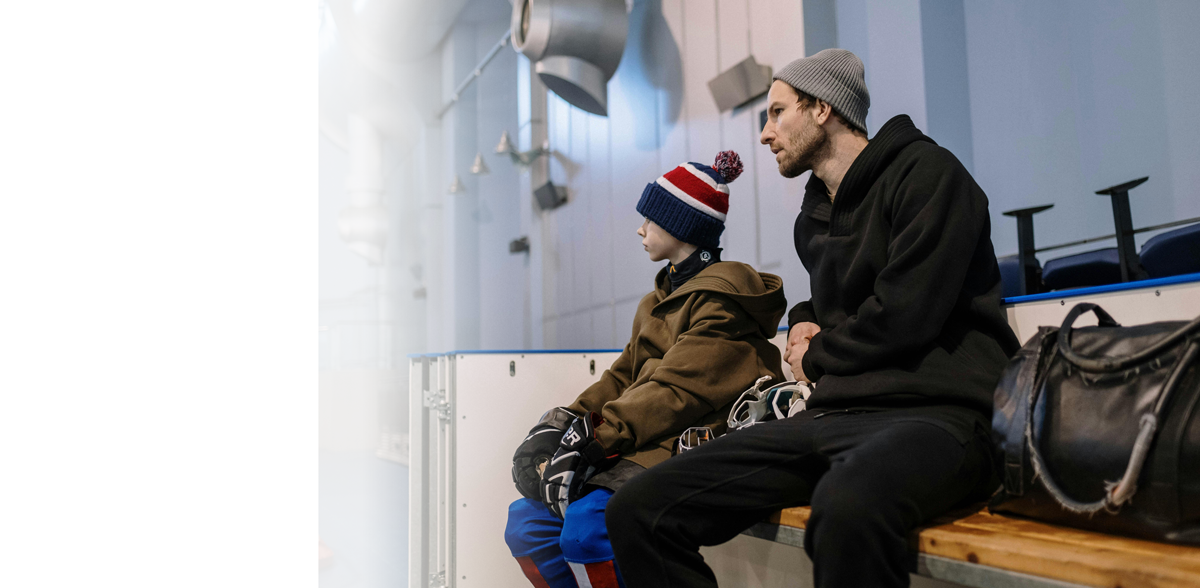
A guardian is any trusted adult who has an active role in supporting and caring for a young person. This may include parents, caregivers, foster parents, relatives, or other adults responsible for a student’s well-being and development.
GUARDIANS
FREQUENTLY ASKED QUESTIONS
-
SMSP is a student-centered platform designed to help young people build confidence, self-regulation, and communication skills. It supports students while giving Guardians, coaches, and educators a shared framework to understand and encourage growth.
-
SMSP is designed for middle and high school students, typically ages 11–18. It is also built to support the Guardians, coaches, and educators who work alongside them.
-
SMSP helps students better understand their strengths, reflect on challenges, and communicate more clearly. Over time, this supports confidence, emotional awareness, and more productive conversations with adults.
-
Students complete reflections, assessments, guided lessons, and recorded responses. These activities are designed to be short, age-appropriate, and focused on real-life skills.
-
Most students spend about 10–15 minutes per week on the platform. Activities are designed to fit naturally into school, sport, or home routines without adding stress.
-
Student data is used only to support learning, reflection, and feedback within the SMSP program. Privacy, consent, and safety are built into the platform, and information is never shared outside approved adults.
-
Some activities allow students to record their responses to support reflection and growth over time. Recordings are secure, optional, and accessible only to approved individuals.
-
Guardians may be invited to view selected feedback and talking points that support meaningful conversations. The platform is designed to balance transparency with student ownership and trust.
-
No. SMSP is a development and learning platform, not a clinical or therapeutic service. It focuses on skills that support confidence, communication, and self-awareness in everyday settings.
-
Growth is reflected through student self-awareness, clearer communication, and more productive conversations over time. Pre- and post-assessments, along with ongoing feedback, help make progress visible and understandable.
-
Individual progress will be determined by:
Attendance
On and off the court observations
4th week session check-ins—at the end of the 4th, 8th, and 12th sessions, the coach and athlete will assess progress to make adjustments if necessary
Post-program assessment ( comparing results to pre-assessment)
-
Mental training helps to improve: focus, concentration, increases confidence, helps athletes manage stress, increase motivation, and control emotions. Athletes who regularly engage in mental training often find themselves better prepared, more composed, and more resilient during competition
EXPECTATIONS
Guardian role within the program
STEP 1: Pre-Assessment (Athlete-Centered)
Ensure the athlete has the space and time to complete the assessment without external influence. Guardians must not complete the assessment themselves, as the athlete’s voice and self-beliefs are central
Or
Be aware that an assessment is being conducted and prepare to receive and review the results later in the process, using the results to complement ongoing initiatives.
STEP 2: Assessment Results & Shared Report
Lead the conversation. Discuss growth opportunities, strengths, and any noted observations. Help the athlete reflect meaningfully.
Or
Review the results, remain supportive, allowing the athlete and coach to have a direct dialogue. Use the results to complement ongoing initiatives
STEP 3: Goal Setting & Program Design
Support the athlete’s ownership of these goals, without directing or enforcing them. Understand how the Coach can help support goal achievement. Collaborate with the Athlete and Coach to ensure the goals are realistic, while also connected to academics and sports equally. Complete a feedback survey every fourth session.
Or
Collaborate with the athlete to ensure the goals are realistic, while also connected to academics and sports equally. Use the results to complement ongoing initiatives. Complete a feedback survey every fourth session.
STEP 4: Implementation of the 12-Week Program
Facilitate all program sessions. Adjust the program as needed. Ask, Listen, and Celebrate! Complete a feedback survey every fourth session.
Or
Encourage while avoiding the management of program details, keeping the Guardian–athlete dynamic intact. Help the Athlete track their goals. Complete a feedback survey every fourth session.
STEP 5: Final Assessment & Reflection
Complete final feedback Survey
TRUST & SAFETY
Your child's safety is not a feature. It's the foundation.
NON-CLINICAL
SMSP is not therapy. We do not diagnose, treat, or assess mental health conditions.
NO SURVEILLANCE
SMSP does not conduct continuous behavioral monitoring or passive data collection.
ROLE-BASED ACCESS
Guardians see only what is appropriate for their role. No raw recordings by default.
DATA USE
Your child's data is never sold — ever.
Read our full Data & Privacy Policy.
EXPECTED OUTCOMES
As your child uses SMSP, you can expect gradual, meaningful growth rather than sudden changes. Early on, this may show up as increased self-awareness, clearer communication, or a greater willingness to reflect on challenges. Over time, these small shifts often build into more consistent confidence, better emotional regulation, and stronger engagement across school, sport, and daily life.
You may also begin to notice that skills practiced on the platform transfer into real situations—how your child talks about their experiences, responds to feedback, or handles pressure. SMSP is designed to support steady development, shared understanding, and healthier conversations between young people and the adults supporting them. The goal is not perfection, but sustainable growth that continues beyond the platform.